Sukiyaki is one of the most popular nabe dishes in Japanese food culture.
Thinly sliced beef, vegetables, and other ingredients are simmered in a sweet and spicy "warishita" sauce based on soy sauce and sugar. It is a heartwarming dish to be enjoyed with family and friends over a pot of hot pot.
History of Sukiyaki: With the Evolution of Meat-eating Culture
The history of meat in Japan is long, and although it was customary to eat beef, there was a period of about 1,200 years during which meat eating was publicly forbidden due to the influence of Buddhism and other factors.
- The Opening of the Country and the Revival of Beef Meat Eating: With the opening of Japan to the outside world in the mid-19th century, demand for beef increased in foreign settlements such as Yokohama and Kobe. Although it was initially difficult to procure beef, around 1866 (Keio 2), Kobe beef and other beef products began to be sent to Yokohama and Tokyo.
- The "beef hot pot" craze: In 1867, at the end of the Edo period (1603-1867), the first beef shop "Nakagawa" opened a beef hot pot restaurant in Edo. In the Meiji era (1868-1912), beef hot pot restaurants opened one after another. Beef hot pot, in which beef is stewed with green onions and other ingredients in a miso broth, became very popular in the Kanto region as a symbol of civilization and enlightenment.
Beef at that time was still tough, and miso is said to have been used to soften the animal smell. - The Birth of Sukiyaki and the Differences between East and WestSukiyaki is a Japanese word originally from the Kansai region (around Osaka), and is believed to have originated from the practice of grilling meat on a plow. In the Kansai region (around Osaka), the meat is first grilled, seasoned with sugar and soy sauce, and then vegetables and other ingredients are added.
In the Kanto region, on the other hand, Kansai-style sukiyaki was introduced after the Great Kanto Earthquake of 1923, and Kanto-style sukiyaki, in which meat and vegetables are cooked together using warishita, became widespread.
The secret of Sukiyaki's deliciousness
The deliciousness of sukiyaki is the result of a combination of several factors.
- sukiyaki stock: A sweet and spicy sauce made from a combination of soy sauce, sugar, mirin, and sake enhances the flavor of beef and vegetables.
- ingredient: In addition to beef, a variety of other ingredients are used, including leeks, garland chrysanthemum, shiitake mushrooms, grilled tofu, and shirataki mushrooms, each with its own unique texture and flavor.
- Wagyu QualitySukiyaki is a dish that is made with the highest quality beef, and is a great way to enjoy the sweetness of the fat that melts out of the finely marbled beef and the melt-in-your-mouth tenderness of the beef.
Sukiyaki with Kobe Beef: A Blissful Experience
Among the many varieties of wagyu beef, sukiyaki using the world-famous "Kobe Beef" is truly a taste of bliss.
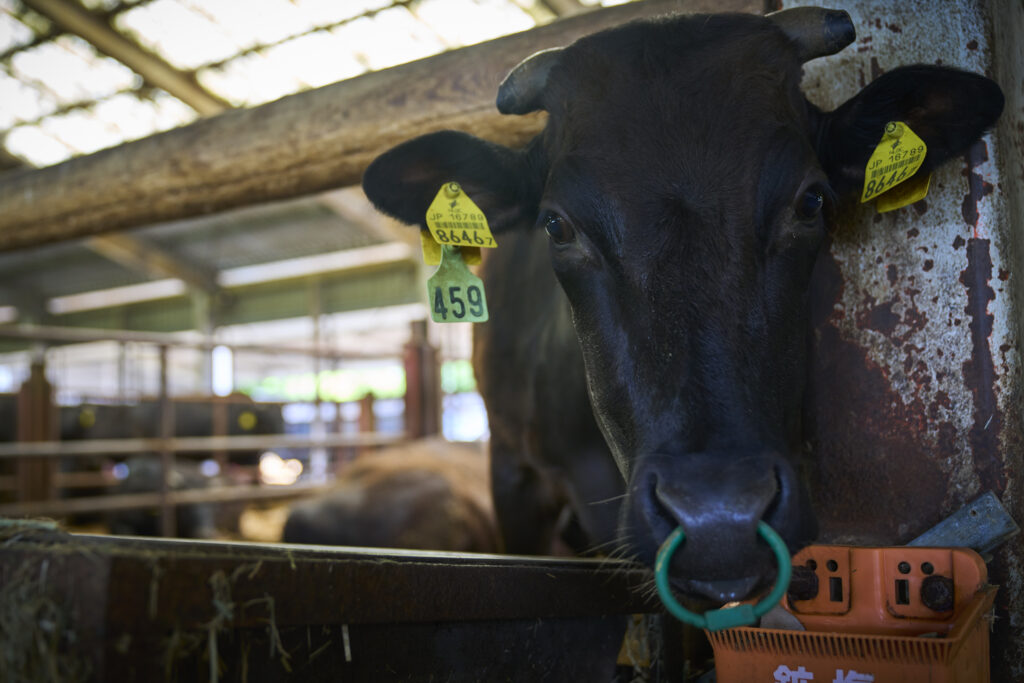
- Characteristics of Kobe BeefKobe Beef : Kobe beef is the highest quality beef, certified only when it meets even stricter standards from among the excellent Tajima beef produced in Hyogo Prefecture.
Its characteristics are as follows- fine-tuned tern: The fat is finely and beautifully marbled into the lean meat, and this is called "sashi" or "marbling".
- Low fat melting pointKobe beef fat has a very low melting point and melts on the skin.
This creates a melt-in-your-mouth texture and an elegant sweetness that is not cloying. - Rich flavor and sweetnessThe sweetness and aroma of the meat are outstanding, and the deep flavor can be enjoyed.
- fine-tuned tern: The fat is finely and beautifully marbled into the lean meat, and this is called "sashi" or "marbling".
- Combination with Sukiyaki: When Kobe beef is sukiyaki, the heating process melts away the good fat and makes the meat even more tender.
The sweetness and aroma unique to Kobe beef is further enhanced when intertwined with the Warishita, creating a truly exceptional flavor experience.
How to enjoy Sukiyaki: Eastern (Tokyo-style) and Western (Osaka-style)
There are two main styles of sukiyaki: Kanto style and Kansai style.
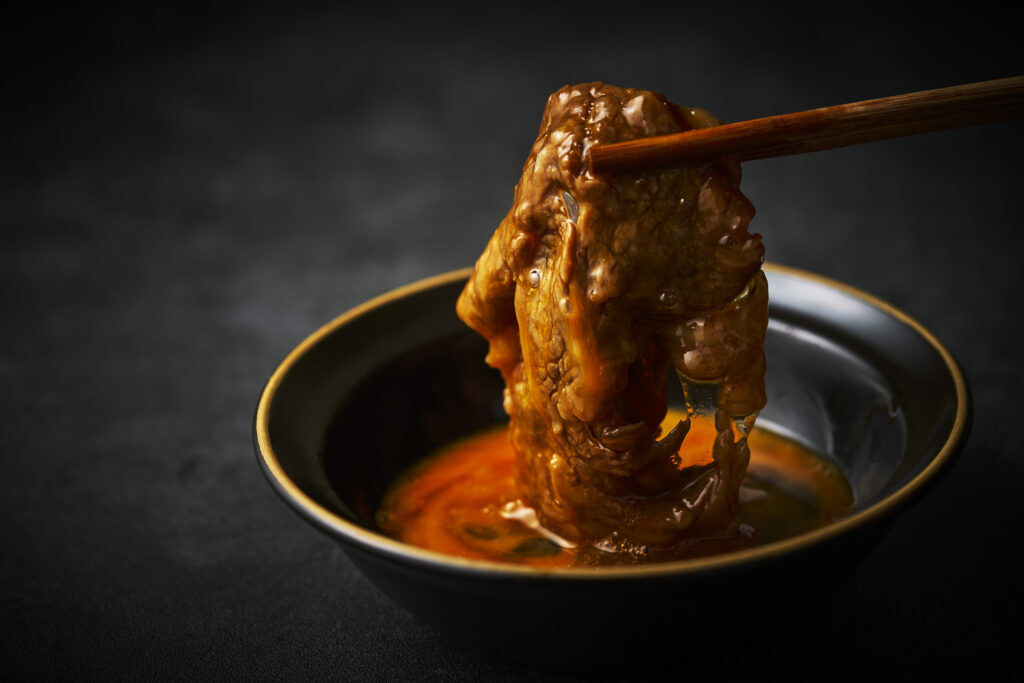
- Tokyo style: Bring the allotment to a boil in a pot and add beef, vegetables and other ingredients together in it.
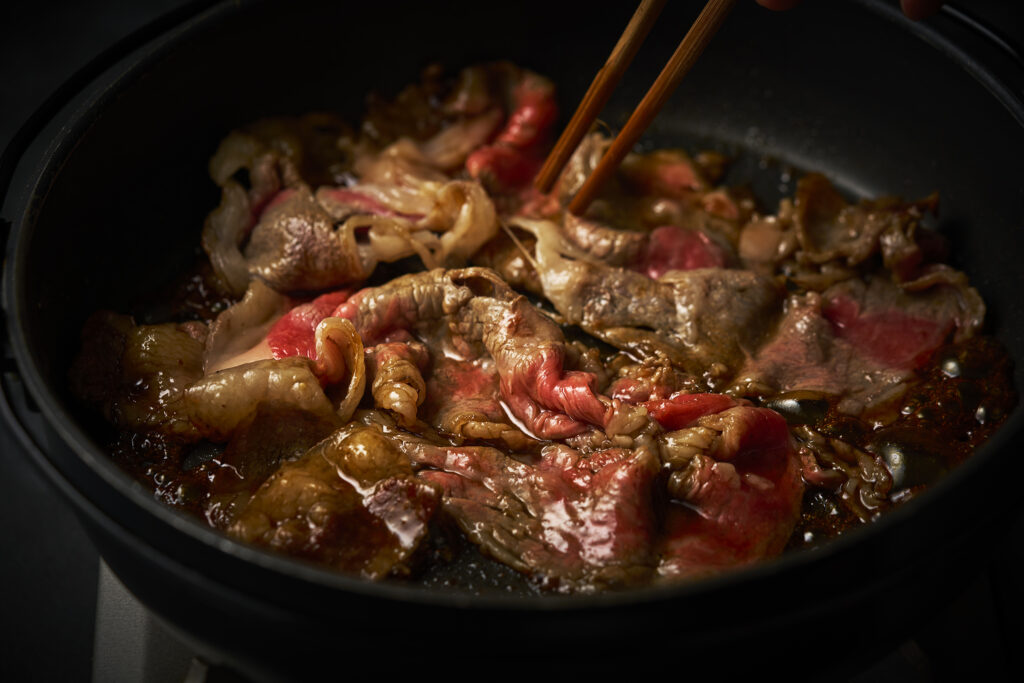
If the taste becomes too strong, adjust with kombu dashi, water, or sake. - Osaka style: First, beef fat is put in a pan, the beef is spread out and browned, then seasoned directly with sugar and soy sauce. Then, vegetables and other ingredients are added and simmered.
In both styles, the boiled ingredients are usually dipped into beaten eggs.
The eggs cool the hot ingredients just enough to give them a mild flavor. One of the main attractions of sukiyaki is the "shime," or "finishing" of the dish, in which rice or udon noodles are added to the remaining broth.
Sukiyaki is a profound dish filled with Japanese history and food culture. We invite you to experience its taste and enjoyment.
Sukiyaki History: Digging Deeper
Even before sukiyaki using beef became common, a dish called sukiyaki existed. In the early Edo period cookbook "Ryori Monogatari" (1643), there is a description of a dish called "Sugiyaki," in which seafood and vegetables are stewed in a cedar wood box with miso paste.
In addition, a document from the early 1800s describes "sukiyaki," in which duck and fish are roasted using a used farm plow as a griddle.
These are considered one of the prototypes of modern sukiyaki.
Beef eating did not really begin in earnest until after the end of the Edo period, and the earliest example in Yokohama is said to be the opening of a beef hot pot restaurant by the tavern "Isekuma" in 1862.
In the early Meiji period, Yukichi Fukuzawa also recommended eating beef in his "Theory of Meat Eating," and "beef hot pot" became popular as a symbol of civilization and enlightenment.
In the beginning, beef hot pot was mostly miso-flavored, but gradually changed to a soy sauce and sugar-based seasoning.
The name "sukiyaki" was originally from the Kansai region, but the Great Kanto Earthquake (1923) spread the Kansai-style cooking method to the Kanto region, and Kanto-style sukiyaki, which uses warishita, took root.
Interestingly, many long-established restaurants in modern Tokyo, while using warishita, first cook the meat as in the Kansai style before proceeding with the cooking process.
Kobe Beef and Sukiyaki: The Secret of Supreme Taste
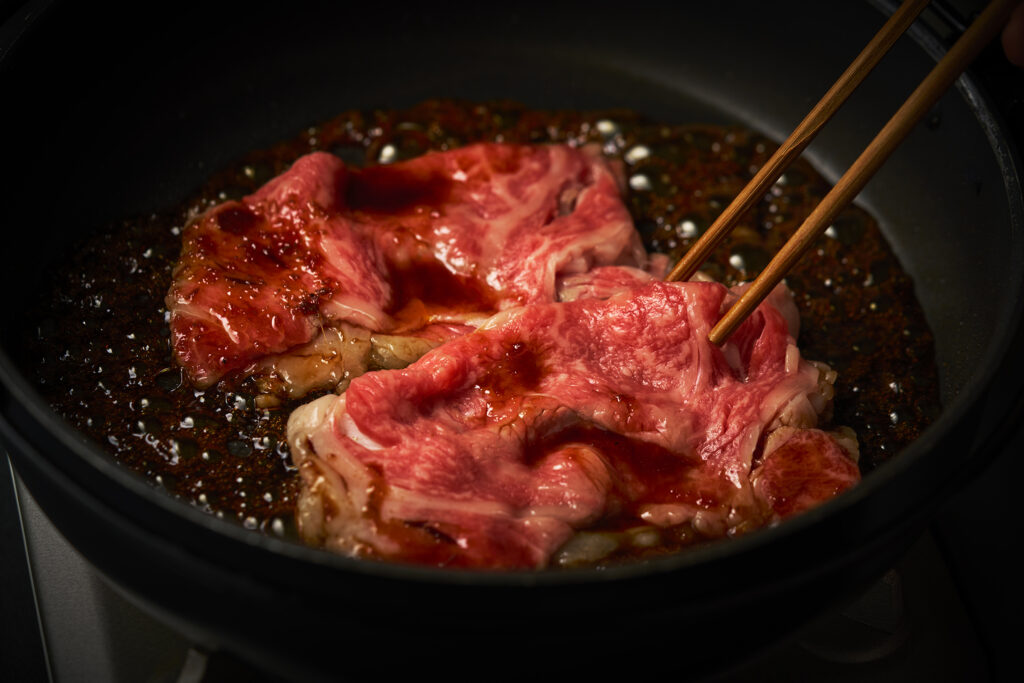
The reason why Kobe beef offers exceptional taste in sukiyaki is because of its unique meat quality.
- Outstanding fat quality: Kobe beef's sashi (marbling) is characterized by its rich oleic acid content, which contributes to its flavor and smooth mouthfeel.
Its low melting point allows the fat to dissolve just enough to make the meat tender and juicy when cooked in dishes such as sukiyaki. - Strict pedigree and fattening techniquesKobe Beef : The delicious taste of Kobe Beef is supported by the pure bloodline of Tajima Beef and advanced fattening techniques.
In a low-stress environment, feeding high quality feed (grass, grains, etc.) according to the growth stage fosters fine meat quality and excellent flavor. - Ratings and ReliabilityKobe beef is evaluated according to strict grading criteria (e.g., A5 grade is the highest), and its quality and reliability are guaranteed by pedigree control.